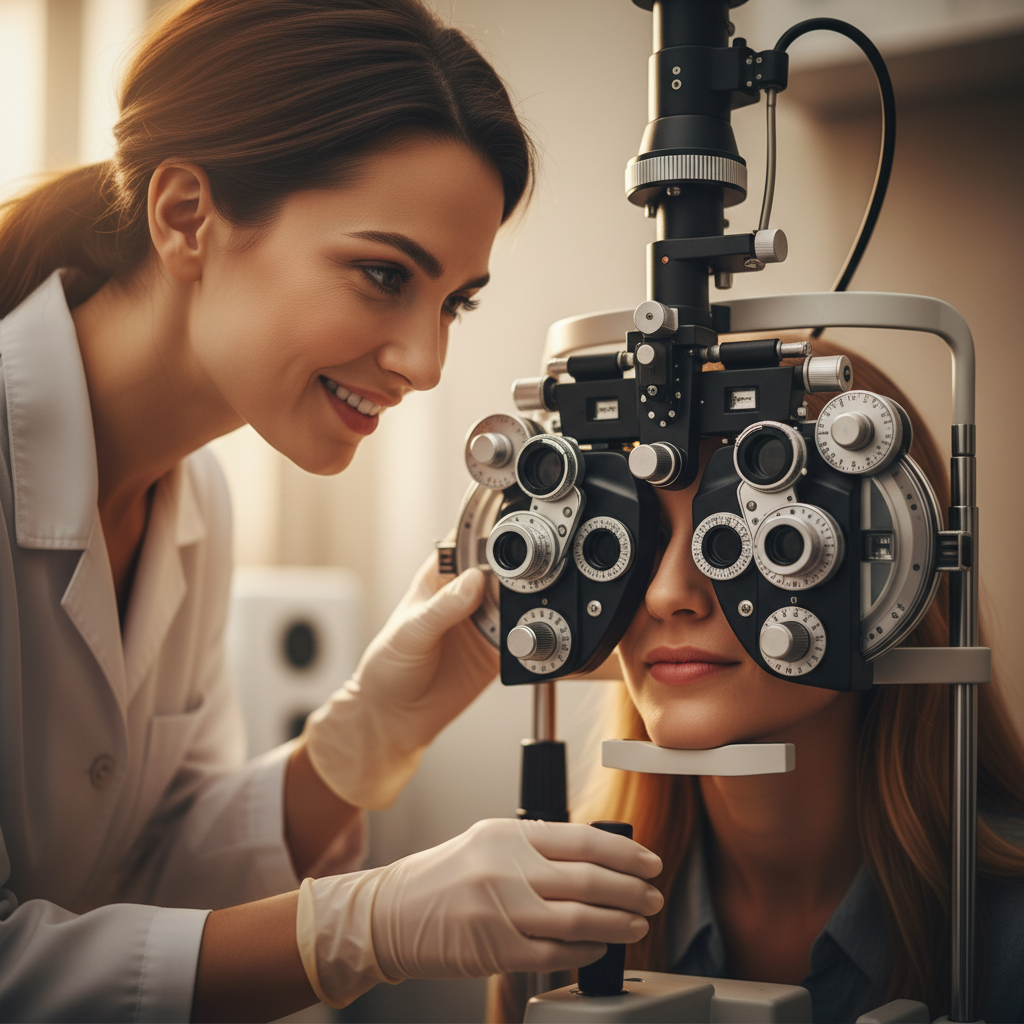
Healthy adults should generally schedule a comprehensive vision test every two years, while children and seniors over 60 typically require annual visits to maintain optical health. Determining how often should you get an eye exam depends on your specific age, medical history, and risk factors like diabetes; these variables may necessitate more frequent screenings. Regular professional assessments ensure early detection of eye diseases and help maintain a clear prescription over time.
Most people wait until they notice a persistent problem, such as squinting at road signs or enduring afternoon headaches, before they finally book an appointment. Unfortunately, vision changes often happen so gradually that your brain adapts to the blur; this leaves you unaware that your eyes are straining to keep up with your lifestyle. Regular eye care is about more than just a sharper prescription. It is a vital preventative measure for your overall systemic health. In this complete guide, we detail exactly how often you should visit an eye doctor based on your age and unique health profile. You will learn why certain life stages require more frequent checkups, the crucial differences between basic vision screenings and comprehensive exams, and how your eyes can reveal over 270 different health conditions. Whether you are scheduling for a toddler or yourself, this breakdown ensures your sight remains protected at every milestone.
Why Timing Matters: The Role of Regular Eye Care
A common misconception is that eye exams only serve to update a prescription for glasses or contacts. In reality, a comprehensive exam is a vital health screening that monitors the delicate internal structures of the eye. For Eyes was founded in 1972 with the mission of providing expert care that goes beyond simple vision correction. Over our 50-year history, we have learned that determining how often should you get an eye exam requires a nuanced understanding of how vision needs evolve from infancy through the golden years.
Eye health is dynamic; the developmental milestones of a toddler require a vastly different clinical approach than the preventative screenings needed by a senior. Proactive timing ensures that subtle changes in eye health are detected before they impact your quality of life. As a member of the EssilorLuxottica family, For Eyes leverages advanced diagnostic technology to provide this essential care across our 103 locations nationwide.
Our network of expert associates is dedicated to making high-quality vision care accessible to every family. By visiting us to find a For Eyes location, you gain access to a blend of clinical expertise and affordable fashion eyewear. When you schedule an eye exam, you are investing in a tailored health strategy designed for your specific stage of life.
Infants and Toddlers: Birth to Age 3
Foundational vision begins long before a child can recite the alphabet. While many parents assume the basic screening performed in the hospital at birth is sufficient, the American Optometric Association (AOA) and the American Academy of Ophthalmology (AAO) recommend a formal, comprehensive eye exam between 6 and 12 months of age. This first milestone is crucial for monitoring the rapid physical development of the eyes.
During this visit, an eye care professional evaluates how the eyes work together and checks for significant refractive errors. Early detection is particularly vital for identifying conditions such as strabismus, which is the misalignment of the eyes, or amblyopia, commonly known as lazy eye. If these issues are not addressed while the visual system is still highly plastic, they can lead to permanent vision impairment. A specialist can detect these issues through objective testing methods that do not require the child to speak or recognize letters.
At For Eyes, we understand that determining how often should you get an eye exam for a non verbal infant can be daunting for new parents. However, our experts utilize advanced diagnostic tools to ensure your child’s eyes are healthy and developing as expected. To ensure your child’s vision is on track from the very start, you can find a For Eyes location and schedule an eye exam with our experienced team.
Preschool and School Age Children: Ages 3 to 17
As children transition into the preschool years, their visual systems must handle increasingly complex tasks such as identifying letters, numbers, and shapes. Clinical guidelines suggest that children should have at least one comprehensive eye assessment between the ages of 3 and 5. Once they begin formal schooling, an annual exam is the professional standard. This frequency is vital because an estimated 80 percent of all learning in the classroom is visual. A child who struggles to see the board or focus on a textbook may be misdiagnosed with a learning disability when the underlying issue is actually an uncorrected refractive error.
One significant challenge parents face is that children rarely report vision problems. A child typically assumes their view of the world is normal; they do not realize that tree leaves or whiteboard text should appear sharper. Proactive monitoring at this stage also addresses modern environmental factors. The rise of digital eye strain is a growing concern as students spend more time on tablets and computers for both schoolwork and leisure. Our experts at For Eyes focus on identifying these issues early, including the rapid progression of myopia, or nearsightedness, which often accelerates during these formative school years.
Maintaining a consistent schedule helps ensure that your child’s vision keeps pace with their academic and physical growth. If you are wondering how often should you get an eye exam for a student, the answer is every year to account for the rapid changes in their ocular development. You can find a For Eyes location nearby to meet with our experienced team. We have five decades of experience in pediatric vision care, making it easy to schedule an eye exam that fits your family’s busy lifestyle.
Young Adults: Ages 18 to 39

After the intense ocular development of childhood and adolescence, vision often stabilizes during the late teens and early twenties. For individuals in this age group who do not experience symptoms or have underlying risk factors, the American Academy of Ophthalmology recommends completing at least one comprehensive exam during your 20s and two during your 30s. This baseline monitoring ensures that your eyes remain healthy and that any early signs of systemic or ocular issues are documented for future comparison.
However, the question of how often should you get an eye exam changes significantly if you rely on corrective lenses. For those who wear affordable fashion eyewear or contact lenses, annual visits are the medical standard. These yearly appointments are not just for updating a prescription; they are critical for evaluating corneal health and ensuring that contact lenses are not causing silent damage, such as corneal neovascularization or oxygen deprivation, to the eye surface.
Even if your vision feels perfect, preventative care is essential. Modern lifestyle factors like prolonged blue light exposure from digital devices can cause subtle strain that an expert can help mitigate. When you schedule an eye exam, you are prioritizing long term wellness over temporary convenience. Our associates at For Eyes can help you maintain your visual health as you navigate these busy decades. Simply find a For Eyes location to ensure your eyes receive the expert attention they deserve.
The Transition Years: Adults 40 to 64
Reaching age 40 marks a significant baseline milestone for eye health. This is typically the period when presbyopia begins; this condition involves the gradual loss of the eye's ability to focus on nearby objects, making tasks like reading or using a smartphone increasingly challenging. Even for those who have never required corrective lenses, this decade is the critical time to establish a clinical foundation. Determining how often should you get an eye exam during this phase depends on your specific health profile, but a frequency of every one to two years is generally recommended to monitor these early age-related changes.
As adults transition into the 55 to 64 age bracket, the risk for more serious ocular conditions such as cataracts and glaucoma rises. Cataracts, which involve the clouding of the eye’s internal lens, often develop slowly and may not immediately affect your vision, while glaucoma can cause irreversible damage to the optic nerve without any early warning signs. Regular screenings become essential for early intervention and the preservation of your sight.
At For Eyes, we provide a sophisticated level of care that combines advanced diagnostic technology with a practical approach to vision maintenance. To stay ahead of these transitions, you can find a For Eyes location and schedule an eye exam with our expert team. We help you navigate these years by providing both clinical excellence and affordable fashion eyewear tailored to your evolving needs.
Seniors: Ages 65 and Older
Upon entering the senior years, the clinical recommendation for eye care shifts to a mandatory annual schedule. For individuals 65 and older, determining how often should you get an eye exam becomes less about monitoring refractive prescriptions and more about preserving functional independence. This demographic faces a significantly higher prevalence of age related macular degeneration (AMD), cataracts, and glaucoma. These conditions often develop gradually; without a yearly comprehensive check, significant damage can occur before any visual symptoms are noticed by the patient.
Maintaining sharp vision is essential for mobility, safety, and overall quality of life. It is important to understand that significant vision loss is not an inevitable consequence of getting older; rather, it is often the result of manageable conditions that respond well to early intervention. At For Eyes, our associates leverage over 50 years of experience to help seniors navigate these physiological changes in a friendly, supportive environment. We combine diagnostic expertise with a wide selection of affordable fashion eyewear to ensure our patients remain confident and active. When you find a For Eyes location and schedule an eye exam, you are partnering with specialists dedicated to protecting your sight through the golden years.
Vision Screening vs. Comprehensive Eye Exam
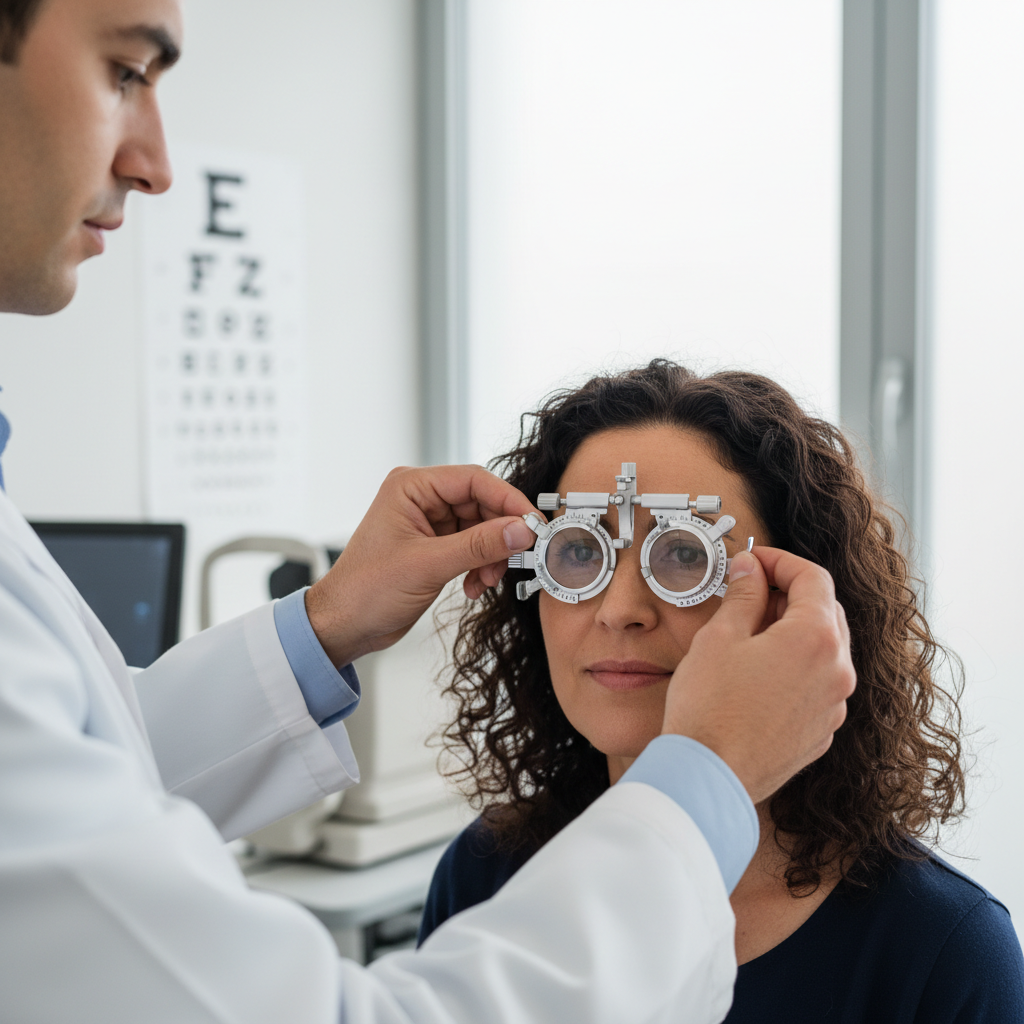
Many people mistakenly believe that passing a vision screening at the DMV or a school event indicates that their eyes are healthy. These screenings are limited assessments designed to identify major refractive errors or obvious vision loss; they do not evaluate the physical health of the eye. A screening typically only measures visual acuity, which is your ability to see clearly at a specific distance. It cannot detect silent, sight threatening conditions like glaucoma, retinal thinning, or early stage vascular changes.
A comprehensive eye exam is an entirely different clinical procedure. At For Eyes, our optometrists perform a deep dive into the ocular system using specialized diagnostic equipment. This process often includes dilation, where the pupil is widened to allow a thorough inspection of the retina, optic nerve, and blood vessels. We utilize slit lamp biomicroscopy and tonometry to assess internal structures and fluid pressure. Drawing on over 50 years of experience since our founding in 1972, we have seen many cases where a patient possessed 20/20 vision but still required urgent care for an underlying pathology. When determining how often should you get an eye exam, remember that a screening is merely a baseline check, whereas a comprehensive exam is a complete medical evaluation. To ensure your vision is fully protected, find a For Eyes location and schedule an eye exam with our expert team.
The Health Connection: Detecting Over 270 Systemic Diseases
The diagnostic value of a comprehensive eye exam extends far beyond the ocular system. Clinical research indicates that eye doctors can detect more than 270 systemic diseases through a thorough examination of the retina and internal structures. This is possible because the eye is the only place in the entire human body where a practitioner can view live blood vessels and nerves directly without the need for invasive surgery. Changes in the tiny capillaries of the retina often serve as the earliest warning signs of issues occurring elsewhere in the body.
During a visit to schedule an eye exam, an optometrist may identify signs of several critical health issues: - Diabetes: Small blood vessels in the retina may leak fluid or blood, often before a patient is diagnosed. - High Blood Pressure: Visible narrowing, thickening, or kinks in the retinal arteries. - High Cholesterol: Yellowish plaques in the retinal vessels or a faint blue or white ring around the cornea. - Autoimmune Disorders: Chronic inflammation or severe dry eye symptoms linked to lupus or rheumatoid arthritis. - Cancers: Ocular melanomas or signs of brain tumors through swelling of the optic nerve.
When you find a For Eyes location, you are accessing a sophisticated health screening that monitors your entire physical well-being. Understanding how often should you get an eye exam is essential because your vision is inextricably linked to your systemic health. While we also provide affordable fashion eyewear, the clinical insights gained during your exam are the true foundation of your long term care.
When You Need to Go More Often: High Risk Factors
General age-based guidelines provide a standard framework, yet individual risk factors frequently override these timelines. If you manage chronic conditions like diabetes or high blood pressure, determining how often should you get an eye exam becomes a matter of medical necessity. Diabetes is a leading cause of blindness in adults; it can cause rapid, irreversible damage to the retinal blood vessels. Patients with these systemic health issues typically require a comprehensive evaluation every 6 to 12 months to monitor for early signs of retinopathy or hypertensive changes.
Family history is another critical variable. Genetic predispositions to glaucoma or age-related macular degeneration mean you may need screenings more frequently than the average adult to catch subtle shifts in ocular pressure or retinal health. Furthermore, those currently using prescription lenses, especially contact lenses, require annual oversight to monitor corneal integrity and ensure their affordable fashion eyewear provides the correct level of support. Our experts at For Eyes use sophisticated diagnostic tools to track these high-risk indicators over time. If you have a family history of eye disease or a chronic health condition, you should find a For Eyes location to discuss a personalized care plan. Our team will help you schedule an eye exam that aligns with your specific risk profile to ensure your long-term vision remains protected.